Laundry, waste and recycling: how it works
Where to do your laundry, which bag for which waste, where to find the recycling centre: everyday habits in Switzerland.
 Photo: Behnam Norouzi, Unsplash
Doing your laundry and sorting your waste in Switzerland follows a few simple rules – sometimes different from those back home. Here are the essentials so you can relax from your very first week.
Doing your laundry
Use the flat’s own washing machine first. The building’s shared laundry room, where there is one, is an extra option: washing machines, tumble dryers and sometimes a drying room, according to the instructions posted on site.
- In buildings with the E-property system, follow the screen to create or top up your account, then choose the machine and programme. Prices per cycle are displayed on site.
- After each use, take your laundry out, clean the detergent drawer and filter if needed, and leave the area clean.
- Use laundry bags for delicate items.
Problem with the flat’s washing machine? Let Colocappart know. For a machine in the shared laundry room, you can tell the caretaker.
The right bag, the right container
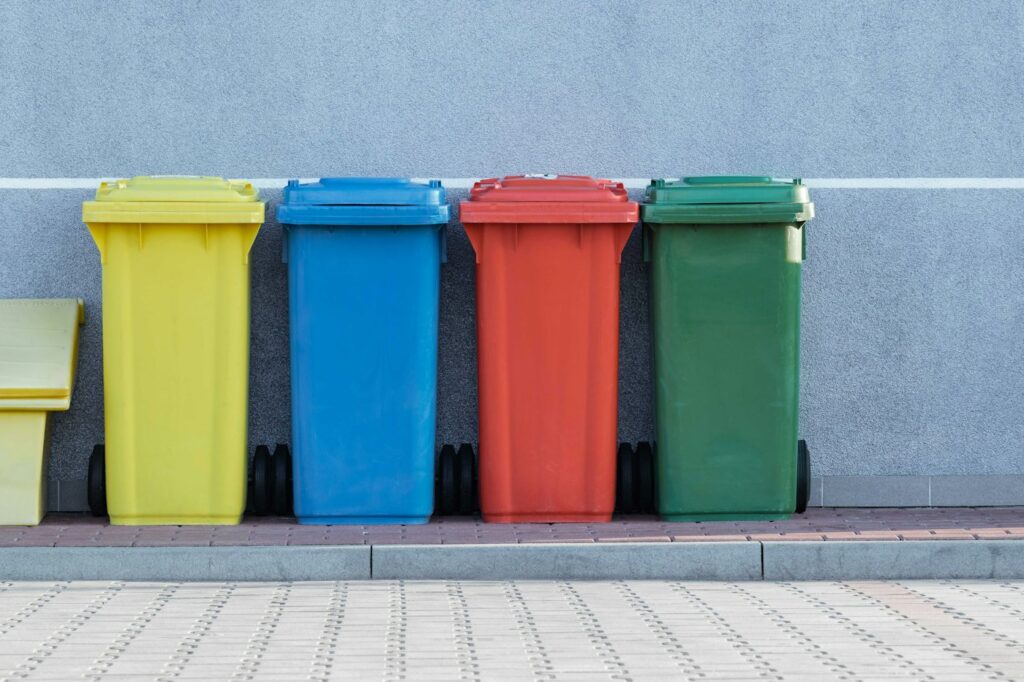
Non-recyclable waste goes in the official white taxed bags sold in supermarkets. Use the right size, tie the bag tightly and put it in the designated container. No bag should ever be left on the ground next to the containers.
| Waste | Where it goes |
|---|---|
| General waste | White taxed bag, household waste container |
| Paper | Paper container, no cardboard |
| Cardboard | Cardboard collection, folded or flattened |
| Organic waste | Designated container, with a suitable compostable bag |
| Glass | Glass container, sorted by colour if required |
| PET, metal, batteries, electronics | Collection points in shops or at the recycling centre |
The recycling centre
In Le Mont-sur-Lausanne, the Manloud recycling centre (déchèterie) accepts many recyclable materials; you can request an access card. The commune also runs a mobile recycling point in several neighbourhoods for people coming on foot or by bike. Days and times change, so always check the commune’s calendar (in French) before you go.